Final result
South Africa Cricket won by 51 runs
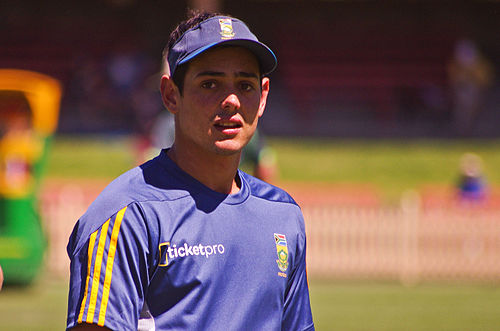
Player of the match: Q de Kock
Result · T20 Internationals
Final result
South Africa Cricket won by 51 runs
Player of the match: Q de Kock
Match preview & overview
South Africa Cricket beat India Cricket by 51 runs in the T20I at Maharaja Yadavindra Singh International Cricket Stadium, Mullanpur, on 11 December 2025. Quinton de Kock's 90 off 46 balls drove South Africa to 213/4 from their 20 overs, a total 38 runs above the ground's average first-innings score of 175. India lost 3 wickets inside the powerplay and never recovered, finishing all out for 162. OEG Baartman's 4/24 from 4 overs was the standout bowling performance of the match.
India had won the toss and elected to field, a choice backed by the fact that 71% of toss winners at this ground opt to do the same. South Africa rendered that logic redundant. Their opening phase produced 53 runs for 1 wicket, and a middle-overs passage of 103 runs for 1 wicket built the kind of total that leaves chasing sides with almost no margin for error. By the time India began their reply, they needed to be near-perfect with the bat. Three early wickets saw to it that they were not.
Pitch report & venue insights
Aggregate conditions from 2019. Numbers that tend to decide matches at this ground — par score, chase success, powerplay averages and toss bias.
13
T20 matches hosted
130
Avg 1st-innings score
119
Avg 2nd-innings score
77%
Chase success rate
36
Avg powerplay runs
46%
Toss-field rate
Key talking points
Headline angle
Quinton de Kock's 90 off 46 balls was the innings that defined this match. South Africa Cricket reached 213/4, well above Mullanpur's average first-innings score of 175 across 14 matches at the ground. The target was always going to be steep.
Angle 02
Angle 03
Angle 04
Angle 05
Betting & analytical angles
For editorial context only. Not a forecast and not betting advice. 18+ only, please gamble responsibly.
Frequently asked
South Africa Cricket won by 51 runs. They posted 213/4 batting first and India Cricket were bowled out for 162 in reply. It was South Africa's clearest win in this recent run of fixtures between the sides.
Quinton de Kock was named Player of the Match after scoring 90 off 46 balls. His innings was the foundation of South Africa's 213/4 total, which proved well beyond India's reach.
Across 118 T20I meetings, India Cricket lead with 60 wins to South Africa Cricket's 50, with 8 no results. Heading into this fixture, India had won four of the previous five encounters between the sides.
South Africa vs India T20I cricket is typically broadcast in the UK on Sky Sports Cricket, with streaming available via Sky Go and NOW TV. Check Sky Sports schedules for precise coverage times ahead of each fixture.
Across 14 T20 matches at the ground, the average first-innings score is 175 and the average second-innings score is 165. South Africa's 213/4 was substantially above that first-innings average, making the target particularly demanding.
India Cricket lost 3 wickets in the powerplay for 51 runs, which put immediate pressure on the middle order. OEG Baartman took 4/24 from 4 overs, and India's death-overs phase yielded only 39 runs for 5 wickets, sealing the 51-run defeat.
Explore more