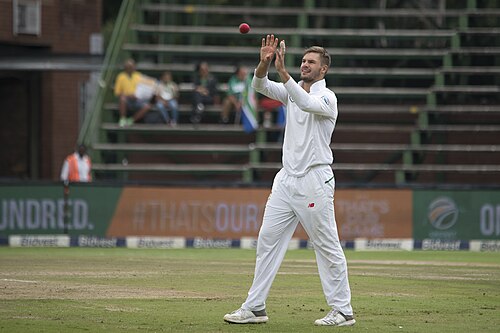
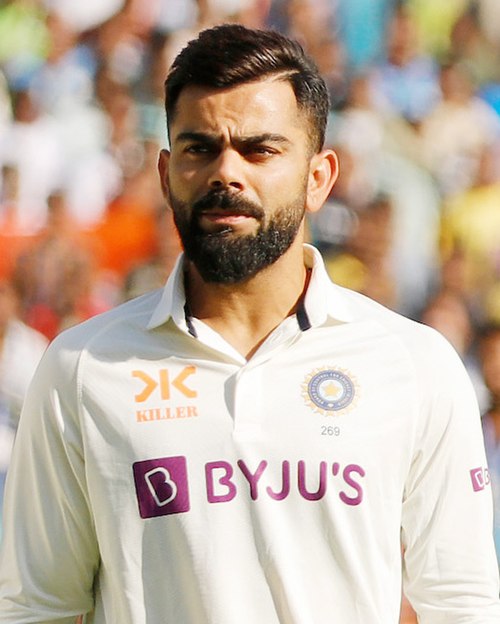
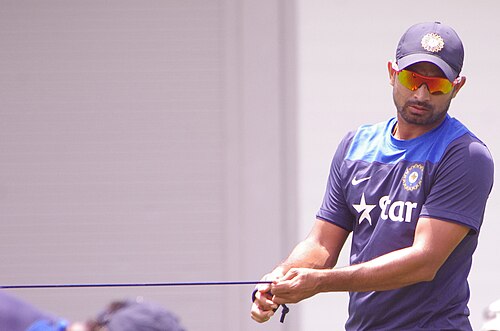
Final result
South Africa Cricket won by 4 wickets
Player of the match: AK Markram
Result · One-Day Internationals
Final result
South Africa Cricket won by 4 wickets
Player of the match: AK Markram
Match preview & overview
South Africa beat India by 4 wickets at the Shaheed Veer Narayan Singh International Stadium in Raipur on 3 December 2025, chasing down a target of 359 with three centuries shared across the match. India posted 358 for 5 in their 50 overs, built on hundreds from Ruturaj Gaikwad (105 off 83 balls) and Virat Kohli (102 off 93 balls). South Africa's reply was driven by AK Markram, whose 110 off 98 balls earned him the Player of the Match award. It was a closer finish than the margin suggests: South Africa lost 4 wickets for 80 runs in the death overs before crossing the line at 362 for 7.
The match produced three individual centuries, which is exceptionally rare in ODI cricket. All three batters made their contributions in different ways: Gaikwad was the aggressor, Kohli the accumulator, and Markram the chase-anchor. Between them, they turned a match that could have gone either way into two sustained periods of batting dominance.
Pitch report & venue insights
Aggregate conditions from 2013–2025. Numbers that tend to decide matches at this ground — par score, chase success, powerplay averages and toss bias.
24
T20 matches hosted
155
Avg 1st-innings score
148
Avg 2nd-innings score
58%
Chase success rate
37
Avg powerplay runs
58%
Toss-field rate
Key talking points
Headline angle
The Shaheed Veer Narayan Singh International Stadium has a chase success rate of 58% across 24 ODIs, but the average second-innings score here is just 148. South Africa's 362 for 7 was far beyond anything this ground has seen before and reframes what a defendable total looks like at this venue.
Angle 02
Angle 03
Angle 04
Angle 05
Betting & analytical angles
For editorial context only. Not a forecast and not betting advice. 18+ only, please gamble responsibly.
Frequently asked
South Africa won by 4 wickets, successfully chasing India's total of 358 for 5 to finish on 362 for 7. AK Markram was named Player of the Match for his 110 off 98 balls.
Three centuries were scored across the match. Ruturaj Gaikwad made 105 off 83 balls and Virat Kohli scored 102 off 93 balls for India; AK Markram scored 110 off 98 balls for South Africa in the chase.
India lead the all-time ODI head-to-head 60 wins to 50, from 118 completed meetings (8 matches produced no result). India had won three of the four most recent encounters before South Africa's win in Raipur.
India-South Africa ODIs are typically broadcast in the UK on Sky Sports Cricket, with streaming available via Sky Go and NOW TV. Check the Sky Sports schedule for exact broadcast times in British Summer Time or GMT.
The Shaheed Veer Narayan Singh International Stadium has an average second-innings score of 148 across 24 ODIs. South Africa's 362 for 7 was far beyond the ground's historical norms and is believed to be the highest successful chase at this venue.
South Africa won the toss and chose to field first, in line with the venue's historical 58% toss-field preference. The decision proved correct as South Africa went on to win the match.
Explore more